| Picture | Item | Need | Details | Recommended Brands | Available For Hire | Hire Fee |
|---|---|---|---|---|---|---|
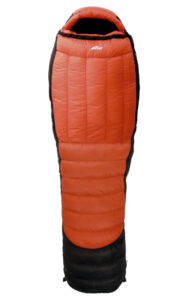 | Sleeping Bag | Required | The sleeping bag should be 3-4 season rated, or temperature rated to zero degrees Celcius. | Mont Helium 300(760g) or Mont Helium 450 (915g) depending on season. | Yes | $30 |
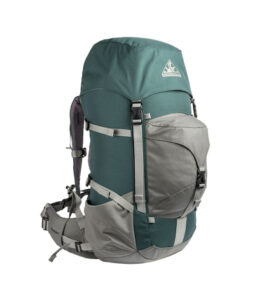 | Backpack | Required | 55-60L volume. Try to pack everything inside. Avoid loose items strapped to outside of pack. Foam mats can get scratched or torn if strapped on outside of pack. | Wilderness Equipment Nullaki 55L backpack | Yes | $30 |
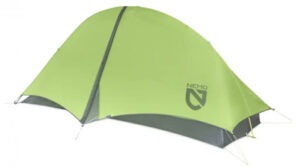 | Lightweight 1 or 2 person tent | Required | We may need to camp out in the open so a tent or shelter is essential. You'll need a 1 person tent or a 2 person tent if sharing a tent with someone else. | Nemo Hornet 1P tent (1.0kg) or Big Agnes Copper Spur UL1 (1.2kg) | Yes | $30 |
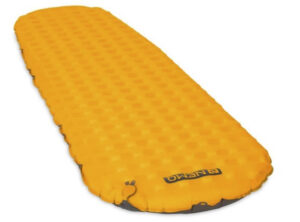 | Sleeping pad | Required | An inflatable sleeping pad such as Nemo Tensor, Sea to Summit, or Thermarest NeoAir. Foam pads are cheaper and light, but comparatively bulky. | Nemo Tensor (450g) Thermarest NeoAir | Yes | $15 |
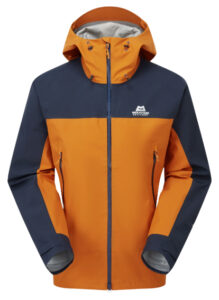 | Waterproof and windproof shell jacket | Required | Can be lightweight | Arcteryx Women's waterproof jacket Arcteryx Men's waterproof jacket | No | |
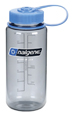 | Water bottles | Required | Enough capacity to hold 3-4 litres is required, although you will only need to start out with 1-2 litres of water. Good water will be available near where we camp and you can fill bottles upon arrival in the late afternoon and the following morning when we leave. You need enough water holding capacity for your dinner, camp, and breakfast. Access to the running water will only be during daylight. 3 x 1L Nalgene bottles with a wide opening are recommended. Alternatively just take old soft drink bottles. | Nalgene 1L bottle | No | |
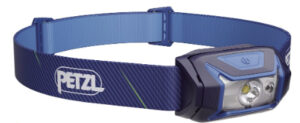 | Torch | Required | A small head torch is ideal. For around camp at night. | Petzl Tikka | Yes | $0 |
 | Fleece or warm jumper | Required | Depending on season | Patagonia Women's Fleece Patagonia Men's Fleece | No | |
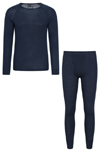 | Thermal underwear | Required | Top and bottom. eg: Merino baselayer. An alternative is tights or any warm underlayer that is in contact with your skin. | Mountain Designs Merino Thermals | No | |
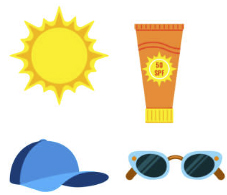 | Hat, sunglasses, suncream | Required in summer | Protection from the sun. | SPF 50 sunscreen | No | |
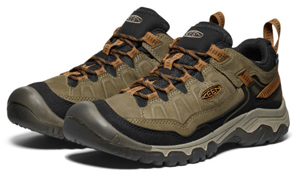 | Hiking shoes | Required | Hiking shoes or trail running shoes depending on your experience. For more advice about footwear, contact me directly. | Keen Targhee IV Women's Keen Targhee IV Men's | No | |
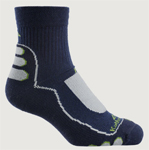 | Hiking socks | Required | Maximum 2 pairs. 1 pair for hiking 1 pair for sleeping (if cold) | Kathmandu Men's or Women's Hiking Socks | No | |
 | Gaiters | Optional | Gaiters for the lower legs provide protection against the low scrub and also from snakebite. Optional. a light, breathable pair is preferable over heavy gaiters. | Tatonka Gaiter | Yes | $0 |
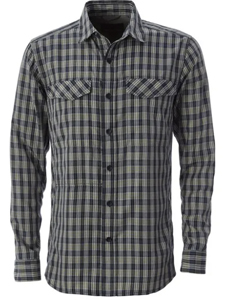 | Hiking shirt | Required | A shirt to wear while hiking during the day. Long sleeved or short sleeved? This will depend on the season. Long sleeved will give better protection from the elements but will feel hotter. | No | ||
 | Hiking pants or shorts | Required | Shorts or long pants? This depends on personal preference, and time of year or expected temperatures. Bear in mind that you will be walking through scrub which may be dense in places and therefore long pants are recommended. In the summer months or in hot weather, shorts are ok, though gaiters are highly recommended if hiking in shorts. | |||
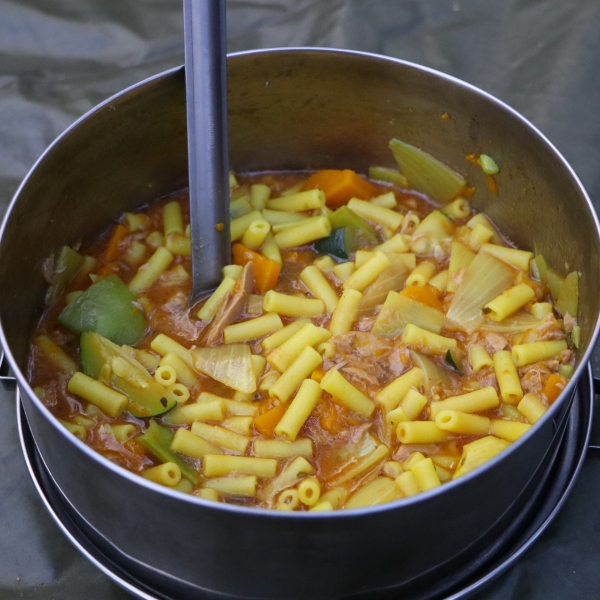
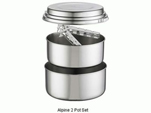 | Cooking utensil | Optional | This is optional depending on your meal plan and how much cooking you intend to do. For example, if you are simply rehydrating a freeze dried meal you do not require this item because I can provide hot water for you. If you need to cook pasta or food with fresh ingredients, then some kind of cooking receptacle is required. | No | ||
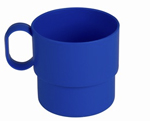 | Plastic cup or mug | Required | For hot drinks, tea or coffee at camp. | No | ||
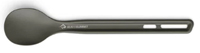 | Spoon | Required | No | |||
 | Pocket knife | Optional | A small pocket knife for preparing food and for general use around camp. Should be small. | No | ||
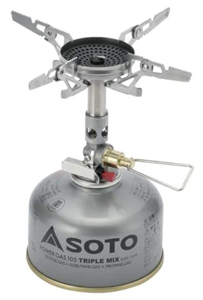 | Small camping stove | Optional | A small camping stove with small compatible gas cartridge. Stoves may be shared one between two. If you don't have a stove you may share mine or have me boil water for you. There are many types of stove. | Soto Windmaster Stove | Yes | $0 |
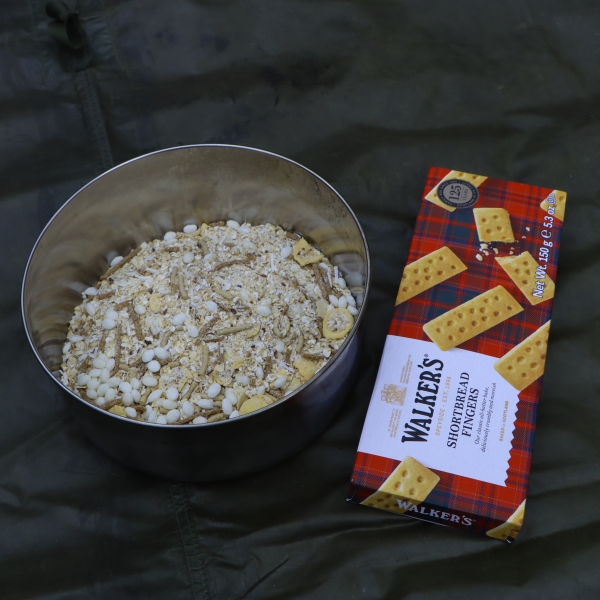
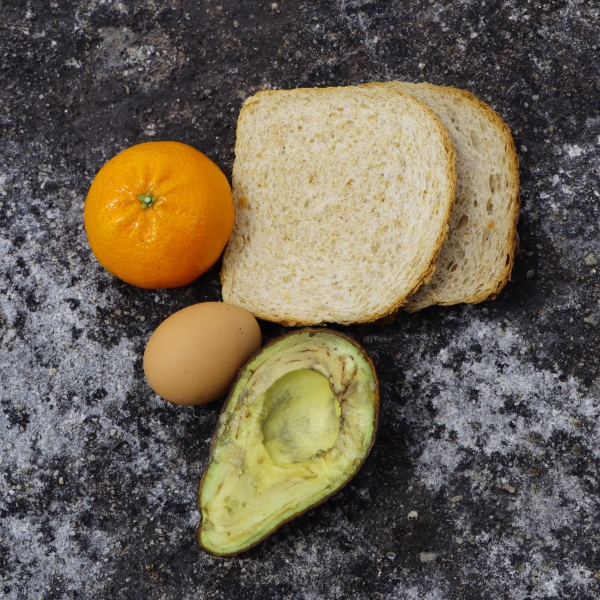
 | Food | Required | Bring enough food for yourself for the duration of the trip. Normally everyone brings their own food unless specific arrangements to share food are made. You need to bring: 1 breakfast 2 lunches 1 dinner Snacks See below for suggestions and options for your food plans for the weekend. | No | ||
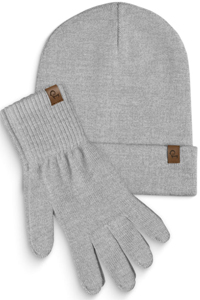 | Additional warm clothes | Depends on season | These items are weather and season dependent. Usually required from May to September but unlikely to be needed in October to March. Check the weather forecast before the trip. I will advise you in the week prior to this trip if these items are required. Beanie (warm hat) Gloves | No | ||
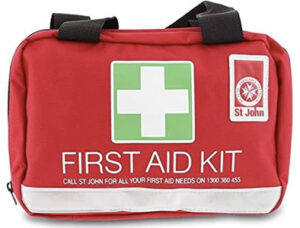 | Personal items | Required | A small kit containing personal hygiene items and first aid. A comprehensive first aid kit will be carried by the leader. In your personal kit you should carry hand sanitizer, band aids or minor wound dressings, sanitary pads and any personal medications, water purification tablets or a filter, mild pain relief or anti inflammatory tablets, safety pins. | No | ||
 | Leave no trace toilet kit | Recommended | We will be camping in a sensitive wilderness environment and bush toileting needs to be done in an environmentally friendly manner. A leave no trace toilet kit allows you to carry out your waste in a hygienic manner and this is highly recommended. A leave no trace toilet kit comprises: A few sheets of greaseproof paper (sandwich wrap) A brown paper bag Several disposable plastic bags A small drybag (3-5L) Toilet paper and hand sanitiser. See below for more details. | No | ||
 | Compass | Required | A compass is required so that you can practise what you will be learning throughout the navigation weekend. You may bring your own compass if you have one, or you can hire or purchase a compass from MountainSphere Adventures. For information on what is the best compass to buy, see Section 7.2 of my navigation tutorial. I recommend and can supply the Silva Ranger and Silva Ranger S. You can: Rent a Silva Ranger for the weekend - $15 Buy a Silva Ranger: $62 Buy a Silva Ranger S with mirror: $90 | Compass recommendations | Yes | $15 |
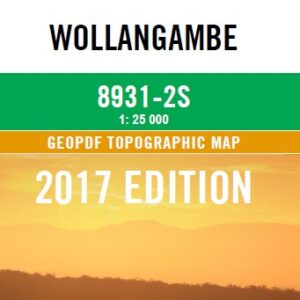 | Topographic map | Provided | You will need a topographic map of the area that we will be walking in. Your map can be ordered when you complete your application at a price of $25 per map. Maps supplied by MountainSphere are laminated and folded, will withstand the elements, and can be drawn on in pencil. Maps can be shared one between two if you are attending the trip with a friend or partner or as part of a group. The maps are about 1.1m x 0.6m in size. | Yes | $25 | |
 | Pencil | Required | For drawing bearings and marking the route and waypoints on your map. | No | ||
 | Avenza Maps Mobile Phone App | Optional | The Avenza Maps mobile phone app can be downloaded from your app store. This is a GPS app that is useful for navigation. This is optional. |   | No |

| Picture | Item | Approx Size | Qty |
|---|---|---|---|
 | Sheet of greaseproof paper | 30cm x 40cm | 1 per visit to the toilet |
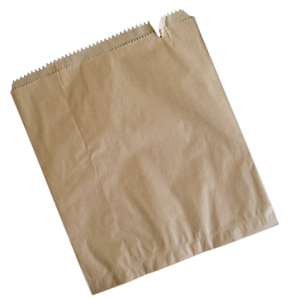 | Brown paper bag | 26cm x 20cm | 1 per visit to the toilet |
 | Single use plastic bag. Eg: zip lock bag or any old plastic bag | 25cm x 40cm | 3 per visit to the toilet |
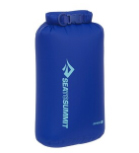 | Small dry bag | 5L | 1 |
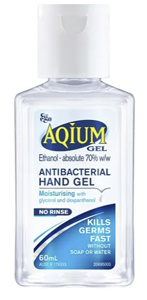 | Hand sanitiser | 60ml | Small |
| Toilet paper | Enough |